
Choosing a Pilates class can feel like picking between two versions of the same workout. Both mat and reformer Pilates build strength, control, and body awareness, but they use different equipment and offer distinct ways to move. Mat classes rely on your body weight and small props, while reformer classes use a spring-based machine for resistance and support. Here’s what to expect from each format, plus a few practical questions to help you choose a comfortable starting point.
Equipment and resistance
Mat Pilates uses a padded mat and may include props such as a ring, small ball, or resistance band. Most exercises use body weight, gravity, and controlled movement to challenge your muscles. Because you work without a machine to guide or support you, you’ll often need to pay close attention to posture, balance, and how you control each repetition.
Reformer Pilates uses a sliding carriage, straps, and springs. The springs provide adjustable resistance: they can make an exercise feel more demanding or help support a movement, depending on how the instructor sets up the exercise. The machine adds options, but it doesn’t automatically make a class easier or harder. Ask the instructor how spring choices are adjusted for different abilities.
How the movements differ
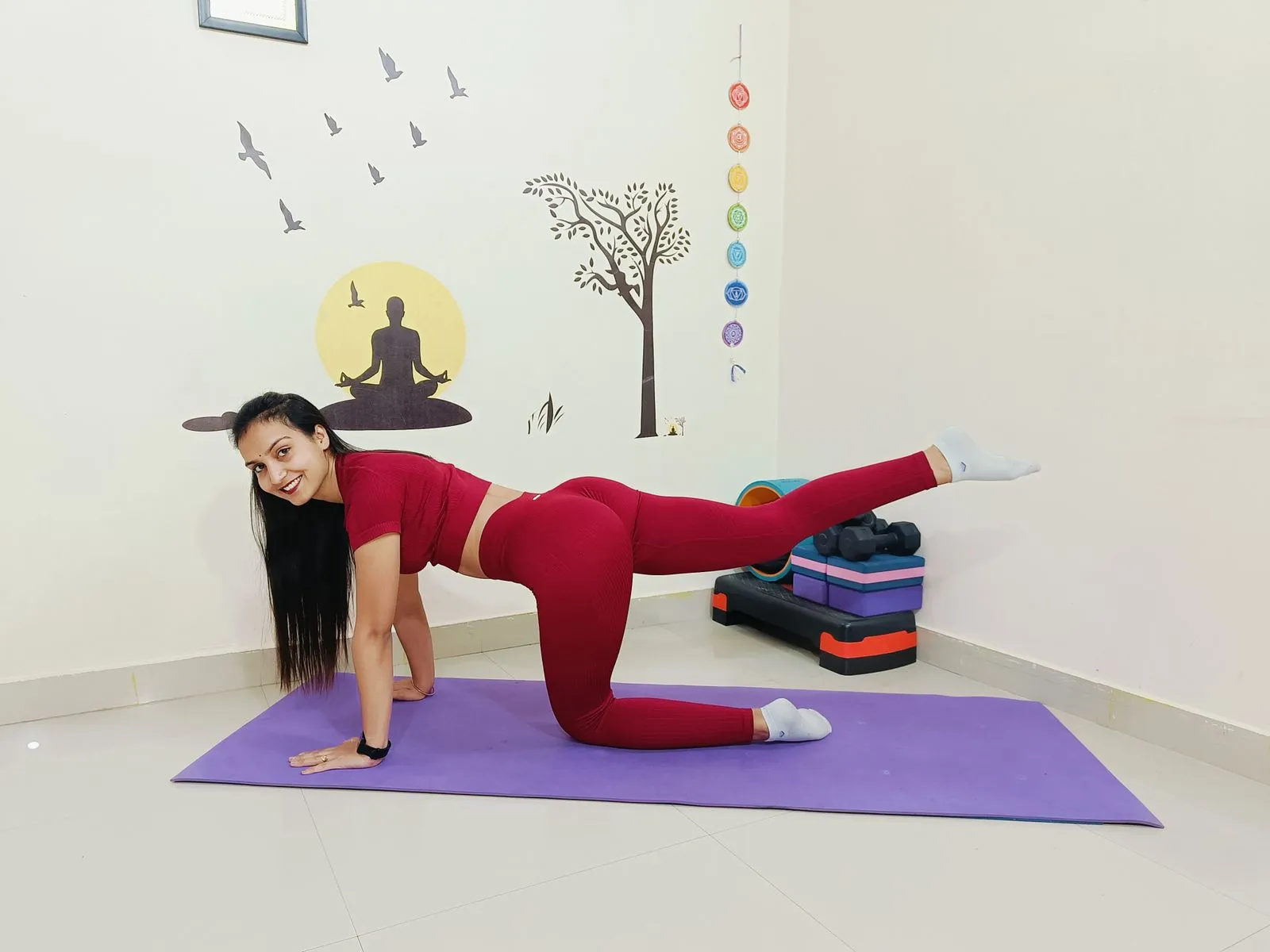
Mat classes often feature floor-based sequences for the core, hips, legs, arms, and back. You may hold a position, move through repeated patterns, or work on balance and coordination. Small props can change the challenge without changing the basic setup. The mat format also makes it easier to practice familiar exercises at home between classes.
The reformer’s moving carriage and straps create a wider range of positions, including lying down, kneeling, sitting, or standing. The machine can guide the path of a movement and add resistance through the springs. That variety may appeal if you want to explore different exercise setups, but learning how to get on, adjust, and move safely on the equipment takes some instruction.
What class feels like
A mat class usually keeps the group in one shared space, with everyone working from a similar setup. You can see the instructor and other participants, which may help you follow the flow. The workout can still be challenging: moving slowly, maintaining alignment, and controlling your range can demand plenty of effort without any equipment.
A reformer class involves a machine for each participant and may include more time spent changing position or adjusting springs. The instructor can offer equipment-specific guidance, so don’t hesitate to ask for help before an exercise begins. In either format, class size, pace, instructor style, and beginner options vary by studio. Check those details when you book rather than assuming one type always feels a certain way.
Choosing your starting point
Try mat Pilates if you prefer a simple setup, want to build body awareness, or like the idea of practicing some movements outside the studio. Consider reformer Pilates if you’re curious about machine-based resistance, want a supported way to explore certain movements, or enjoy having more equipment options. Neither format is reserved for one fitness level; a well-guided class can offer modifications in both.
Before booking, ask whether the class welcomes beginners, what to bring, and whether the instructor offers movement modifications. Mention any injuries, health concerns, or movements you need to avoid before class so the instructor can suggest appropriate options. Calgary Mat Club offers mat Pilates; contact the studio to ask which class may fit your experience and preferences.
Mat Pilates offers a straightforward, floor-based start, while reformer Pilates adds adjustable resistance and a machine to guide movement. Both can help you build strength and control when the class matches your needs. Think about the equipment and class style you’d enjoy, then ask the studio about beginner options before booking your first session.